 Image 1 of 1
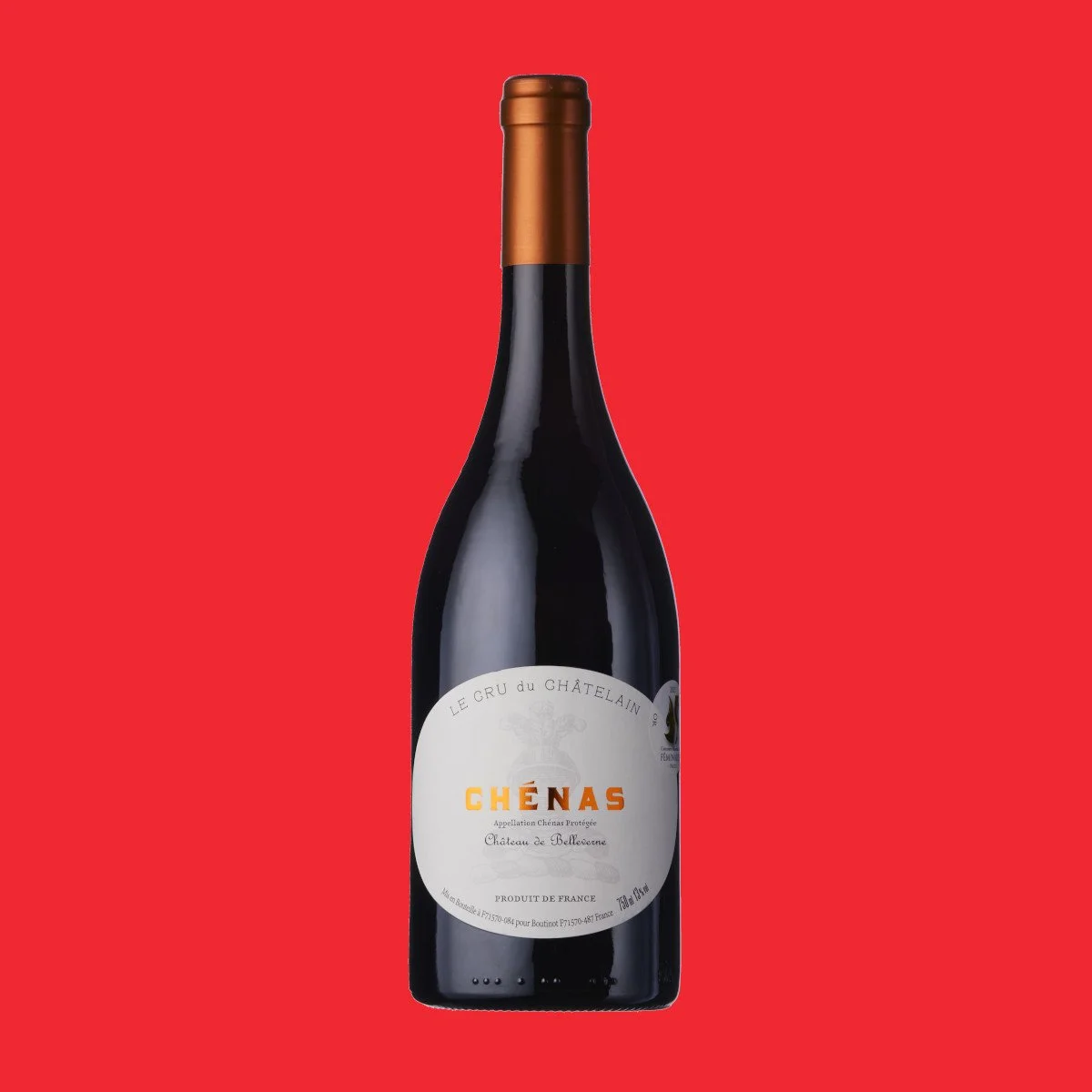
Deep and beetroot-stained, the palate is reminiscent of ripe brambles; plush with a gorgeous velvety texture, pleasantly cleansing tannins and an uplifting, smooth finish.
Chénas is named after chênaies, the dense oak forests which blanketed the Beaujolais region before Philippe V ordered them all to be cut down to make room for vines. Today, the vineyards of Chénas cover just 237ha, making it the smallest of the Beaujolais Cru. Soils are mainly granite, with some areas of schist and fertile alluvial clay. Granite and Gamay go hand in hand - granite is rich in quartz but the soils are generally poor and drain really well (great for vines). Most importantly, when rain meets quartz the result is silicic acid, which is good for Gamay as it stimulates deep root growth and - counter intuitively - keeps grape acidity in check
Hand-harvested grapes are immediately cooled as they arrive at the cellar, following significant investment in cooling equipment. Didier and Alain increasingly de-stem the majority of the harvest to gain complexity without hard tannins. They prefer a semi-carbonic maceration, having mastered the technique of cooling the grapes in each of their concrete tanks to slow the process down. This slower fermentation, of between 10 and 13 days for each separately vinified parcel, together with twice daily remontage to fully submerge the cap and optimise the extraction of fruit and flavours, achieves a greater expression of fruit character in the final wine.
France (Beaujolais)
Gamay
750ml
13%abv
Picture for illustrative purposes only. Unless stated, ABV & vintage will be the release currently available.
Deep and beetroot-stained, the palate is reminiscent of ripe brambles; plush with a gorgeous velvety texture, pleasantly cleansing tannins and an uplifting, smooth finish.
Chénas is named after chênaies, the dense oak forests which blanketed the Beaujolais region before Philippe V ordered them all to be cut down to make room for vines. Today, the vineyards of Chénas cover just 237ha, making it the smallest of the Beaujolais Cru. Soils are mainly granite, with some areas of schist and fertile alluvial clay. Granite and Gamay go hand in hand - granite is rich in quartz but the soils are generally poor and drain really well (great for vines). Most importantly, when rain meets quartz the result is silicic acid, which is good for Gamay as it stimulates deep root growth and - counter intuitively - keeps grape acidity in check
Hand-harvested grapes are immediately cooled as they arrive at the cellar, following significant investment in cooling equipment. Didier and Alain increasingly de-stem the majority of the harvest to gain complexity without hard tannins. They prefer a semi-carbonic maceration, having mastered the technique of cooling the grapes in each of their concrete tanks to slow the process down. This slower fermentation, of between 10 and 13 days for each separately vinified parcel, together with twice daily remontage to fully submerge the cap and optimise the extraction of fruit and flavours, achieves a greater expression of fruit character in the final wine.
France (Beaujolais)
Gamay
750ml
13%abv
Picture for illustrative purposes only. Unless stated, ABV & vintage will be the release currently available.